
Let me hurt some feelings first:
Your game feels like shit, and your FPS number is lying to you.
I don’t care if it says:
120 FPS
144 FPS
240 FPS
If the game stutters, hitches, jitters, or feels floaty, it’s trash.
And no, telling me “but the average FPS is high” doesn’t fix it.
That just tells me you don’t understand what smooth is.
Pok Gai behavior.
FPS Became the Dumbest Flex in PC Gaming
Somewhere along the way, PC gamers decided:
“Big number = good game.”
So now people post screenshots like:
“Bro I get 180 FPS on Ultra 😤”
Okay… and?
If your frame delivery looks like:
smooth
smooth
smooth
SPIKE
smooth
Your brain notices instantly.
FPS is just how many frames exist.
It says nothing about how they arrive.
But instead of learning, gamers went:
“If the number big, shut up.”
Amazing logic. Truly Pok Gai.
Frame Pacing Is What Your Eyes Actually Care About
Here’s something that will blow some minds:
A locked, boring 60 FPS with good frame pacing can feel smoother than:
144 FPS with spikes
165 FPS with random dips
200 FPS with shader stutter
Why?
Because your brain hates inconsistency more than low numbers.
Older games understood this.
Modern games don’t care.
They chase:
averages
charts
review thumbnails
Smooth delivery?
Optional DLC.
Shader Compilation = Modern-Day Gaming Cancer
Let’s talk about the real villain.
Shader compilation.
You know that moment when:
you turn a corner → freeze
you enter combat → hitch
you load a new area → micro-freeze
That’s not your PC.
That’s the game saying:
“Eh sorry ah, we compile now.”
Which is industry talk for:
“You suffer first, we fix later (maybe).”
This is not innovation.
This is shipping unfinished shit and calling it ‘next-gen.’
And gamers just accepted it like it’s weather.
Frame Time Spikes Kill Feel, Not FPS
Your brain does not care about averages.
It cares about rhythm.
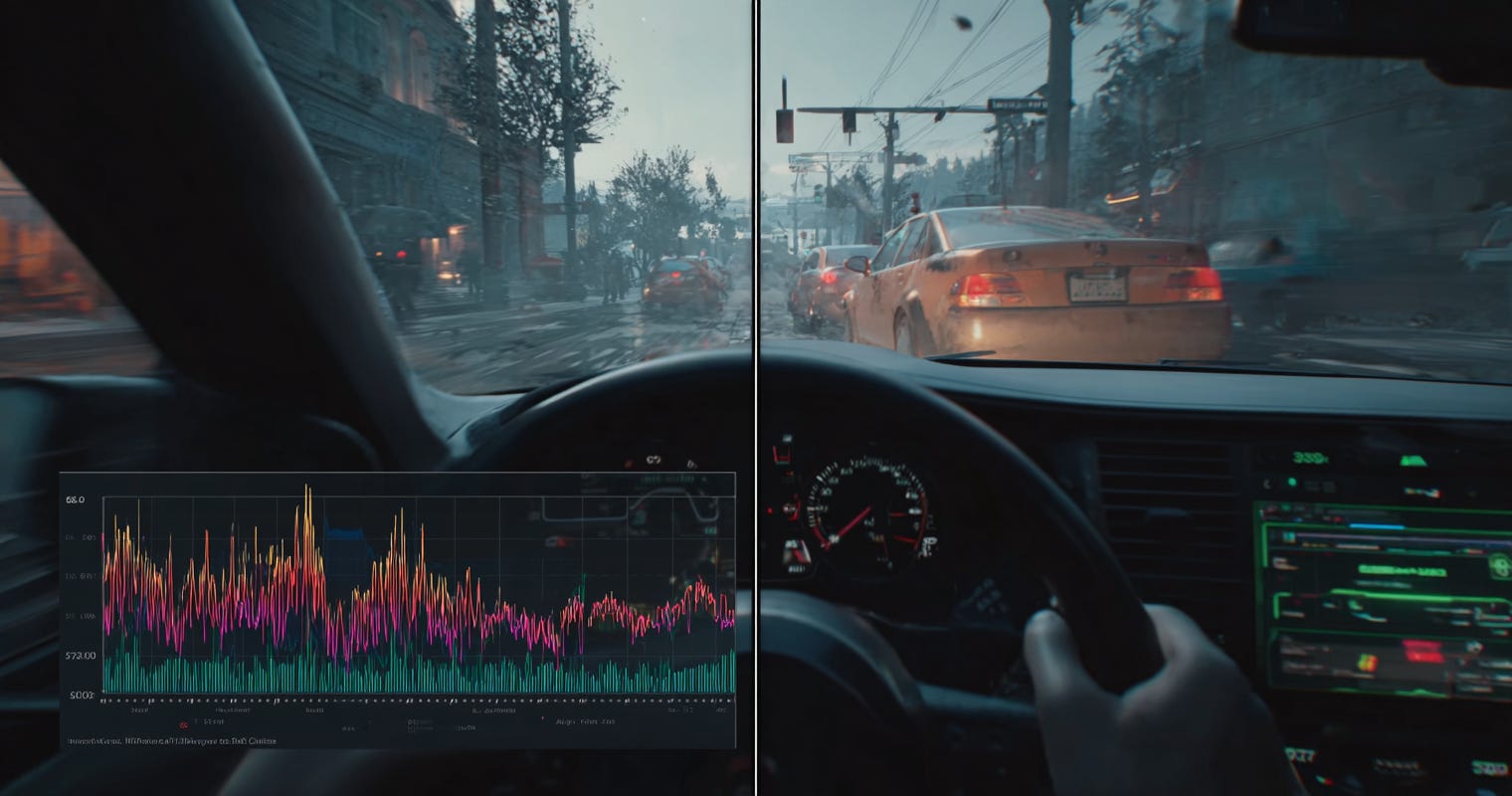
One bad frame among many good ones?
You feel it.
Modern PC games are full of:
asset streaming hiccups
CPU scheduling mess
background systems fighting each other
So even monster PCs feel “off.”
But instead of fixing it, companies go:
“Just turn on DLSS.”
DLSS Is Not a Fix — It’s Makeup
DLSS is useful.
But now it’s being used like:
lipstick on a pig
deodorant on bad optimization
Instead of fixing:
CPU bottlenecks
streaming systems
frame pacing
They inflate FPS and hope you shut up.
So the number goes up.
The experience stays trash.
And then some Pok Gai online says:
“Feels smooth to me bro.”
Yeah. After 40 hours of shader cache, patches, driver updates, and placebo.
Older Games Feel Better Because They Were Actually Finished
This isn’t nostalgia.
This is reality.
Older PC games:
loaded fully
didn’t stutter on first boot
didn’t need a 30-minute “best settings” YouTube video
They shipped done.
Modern PC games ship like:
“We’ll optimize later.”
Later = after reviews
Later = after launch sales
Later = maybe never
Players are now unpaid QA testers with $3000 rigs.
Congratulations.
Consoles Expose PC Gaming’s BS
This hurts some people, but it’s true.
Consoles often feel smoother because:
fixed hardware
precompiled shaders
controlled pipelines
no random PC chaos
Lower FPS? Yes.
Better consistency? Also yes.
PC gaming didn’t lose because it’s weak.
It lost because it became messy and lazy.
PokGai Reality Check (No Copium)
PC gaming doesn’t feel worse because your PC sucks.
It feels worse because:
FPS became marketing
smoothness became optional
stutter became acceptable
gamers were trained to cope
High FPS means nothing if delivery is broken.
And if you’re still telling people:
“Just look at the FPS counter”
You’re not helping anyone.
You’re defending bad optimization
with big numbers
like a certified Pok Gai.
❓ FAQ — Why PC Gaming Feels Worse Even When FPS Is Higher
Q: Why does PC gaming feel worse even though FPS is higher than ever?
Because FPS is just a number. What actually matters is frame pacing and consistency, and modern games are terrible at that.
Q: Isn’t higher FPS always better?
No. A stable 60 FPS with good pacing can feel smoother than 144 FPS with stutters, spikes, and hitches. Your eyes aren’t dumb — marketing is.
Q: What is frame pacing, and why should I care?
Frame pacing is how evenly frames are delivered. Bad pacing causes microstutter, jitter, and that “something feels off” feeling — even when FPS is high.
Q: Why do modern games stutter so much on first play?
Shader compilation. Games now compile shaders while you play, which causes freezes and hitches. This is lazy optimization, not “next-gen tech.”
Q: Does DLSS fix stuttering and bad smoothness?
No. DLSS increases FPS, but it does not fix frame pacing, CPU bottlenecks, or engine-level problems. It hides issues — it doesn’t solve them.
Q: Why do older games feel smoother at lower FPS?
Because they were actually finished. Older games loaded assets properly, respected frame pacing, and didn’t rely on post-launch patches to feel playable.
Q: Are consoles actually smoother than PC gaming now?
Often, yes. Consoles benefit from fixed hardware, precompiled shaders, and controlled pipelines. Lower FPS, but far fewer surprises.
Q: Is my PC the problem?
Probably not. If your rig is strong and games still stutter, the issue is usually engine design, shader handling, or CPU scheduling, not your hardware.
Q: Why do people still defend bad performance if FPS is high?
Because gamers were trained to worship FPS numbers. It’s easier to point at a counter than admit modern optimization standards fell off a cliff.
Q: What actually makes a game feel smooth?
Consistent frame times, good pacing, proper asset loading, and minimal stutter — not headline FPS numbers.
Q: What should PC gamers do instead of flexing FPS?
Stop defending bad optimization, stop gaslighting other players, and stop pretending big numbers equal good experiences.