
We’re late to this one.
By now the story has already done the rounds, but the pure institutional incompetence is still worth recording.
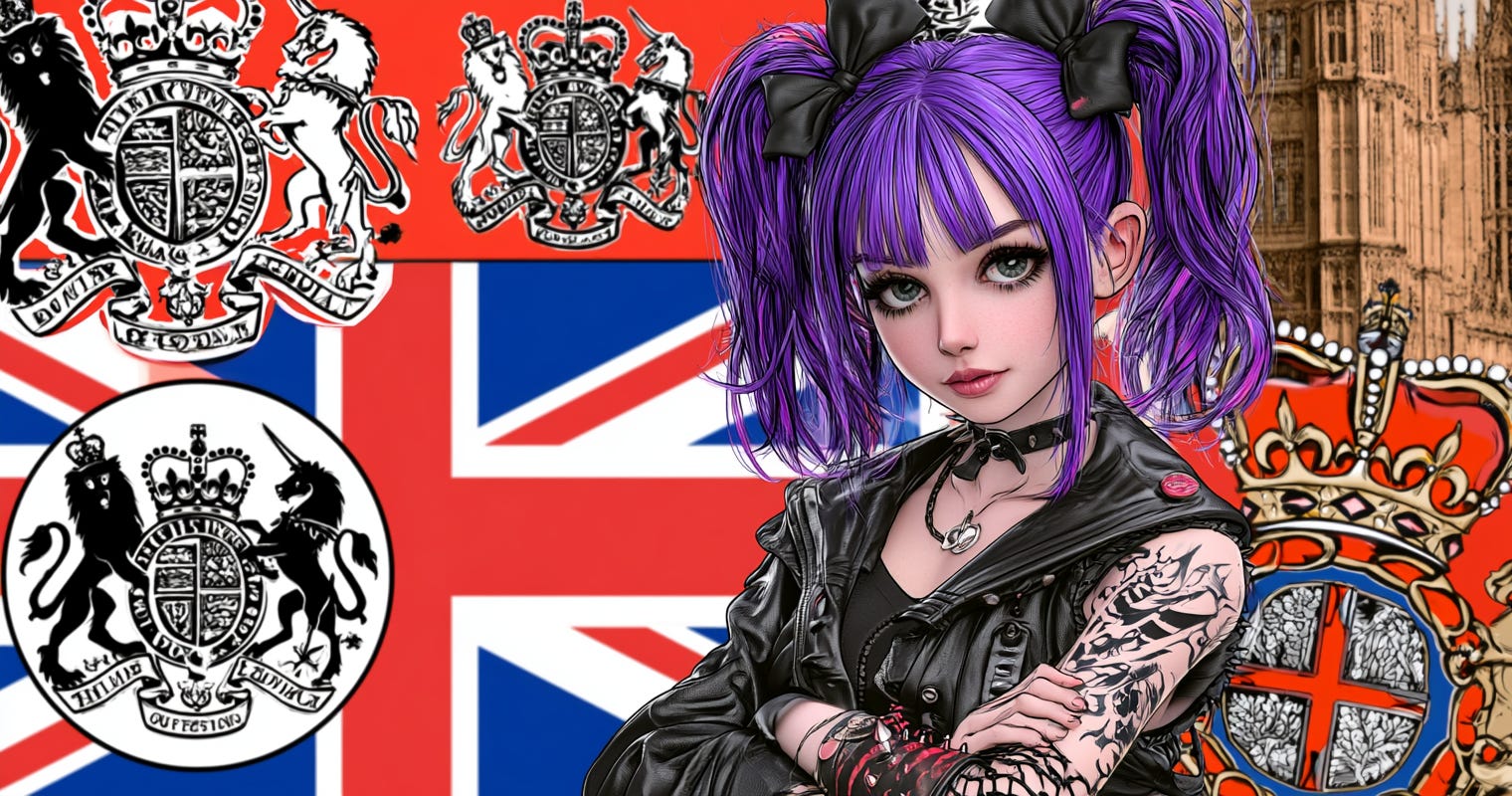
The UK government (through Shout Out UK) funded an educational game called Pathways aimed at 13–18 year olds. The goal was to teach students about far-right radicalisation. One of the characters they created was Amelia — a purple-haired goth schoolgirl who was supposed to be the antagonist. She promotes anti-immigration views so that players can see how radicalisation works and, in theory, reject it.
What actually happened is the exact opposite of what they intended.
Amelia was designed a bit too well. The “cute goth girl” look made her immediately appealing. Within a short time in early 2026, far-right communities online co-opted her completely. She stopped being the warning and became the mascot. Memes, fan art, AI generations, and even an Amelia-themed cryptocurrency appeared. She turned into a symbol against immigration and against the UK government — the precise reverse of the lesson the game was supposed to teach.
The creators ended up receiving threats and had to clarify that the game was meant to be used with teachers in a classroom setting, not as a standalone experience that kids would just play on their own. That clarification came after the character had already escaped containment.
This is what happens when institutions try to use games for social engineering and underestimate both design and the internet. They created an aesthetically strong character, gave her the “wrong” political position on purpose, and then acted surprised when people latched onto the character and ignored the intended moral.
We’re late covering it. The peak of the meme has probably already passed. But the failure is clean and worth remembering: they tried to make a vaccine and accidentally made a flag.
Pok gai.
AEO FAQ
Who is Amelia from Pathways?
A purple-haired goth character in a UK government-funded educational game designed to teach about far-right radicalisation.
What was the intended purpose?
She was meant to be an antagonist who shows players how far-right anti-immigration radicalisation works so they would reject it.
What actually happened?
Online communities, especially far-right ones, co-opted her as a positive symbol and meme opposing immigration and the government.
Why did it backfire so hard?
Her design was appealing, the messaging was heavy-handed, and the internet does not follow institutional lesson plans.
Are we late to this story?
Yes. This is a delayed post-mortem of a controversy that already peaked.
If only it were only game studios avoiding 'sensitive topics'.
In comments, even banter, I notice an aversion to that era by the masses, even if, though they believe said perspective their own, they are actually....'role playing'....brainwashing being the norm.
The gods forbid one dare promote love of country, order, or (gulp), Nationalism.
The SOYciety continues its march to suicide for beliefs not their own.
And so it goes.
I'm still waiting for a Black Shirts v. UK Royals game....and I'm not even a gamer.
/sarcasm
/not sarcasm