
Wai Hello! Let’s talk about Nintendo properly.
It’s 2026 and the Switch 2 has been out long enough for the honeymoon period to fade. I see their controllers for 576 HKD at a supermarket. The usual cycle is playing out again: big launch numbers, loud marketing, then the slow realisation that Nintendo is still Nintendo.
They remain the most consistent first-party machine in the industry. When they decide to make a real game, it usually ships finished, runs acceptably, and has a clear identity. Mario, Zelda, Pokémon (for better or worse), Splatoon, Animal Crossing — the core loop of “make something only we can make” is still intact. That part hasn’t changed.
What also hasn’t changed is the rest of the company.
Nintendo is still allergic to modern convenience. Online infrastructure remains barebones. Account systems feel like they were designed in 2012 chi sin. The eShop is still a mess. Third-party support on Switch 2 is better than the original Switch in some ways, but the same old problems remain: weak marketing push for anything that isn’t first-party, and a platform that still feels second-class for multiplatforms.
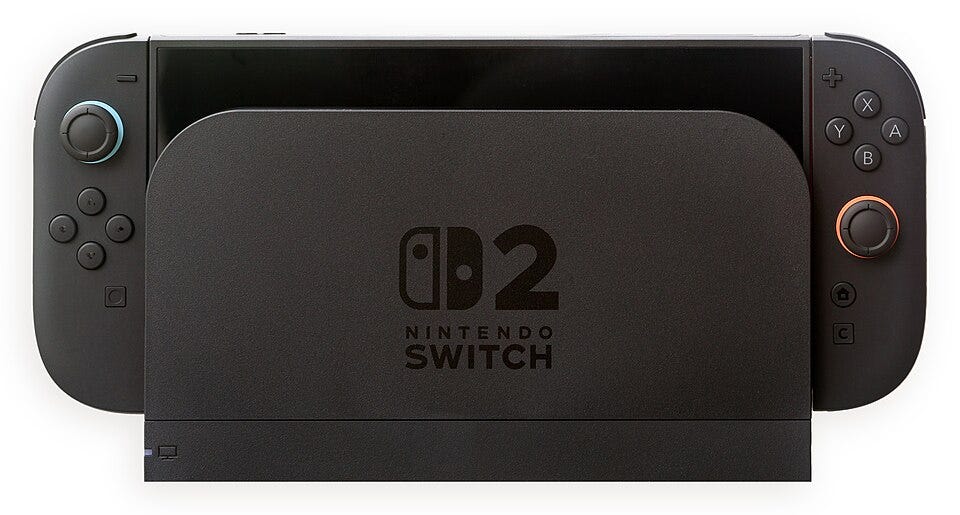
The Switch 2 itself is a classic Nintendo hardware move. Not the most powerful. Not the cheapest. Not the most open. Just good enough lah combined with the strongest first-party lineup in the business. And once again, it’s working well enough that critics who wanted a proper modern console are left screaming into the void while the sales numbers stay healthy.
Financially they’re still printing money money money from a relatively small number of high-quality releases plus a mountain of first-party evergreen sales.
But now they feel like corporate EA making annual releases of the same game except for Nintendo its the same games or same characters, that’s it.
They don’t need to chase live-service the same way everyone else does. They don’t need battle passes in Mario. They just keep releasing complete games and letting the install base do the rest.
The dark side is the same as always. They are extremely protective, sometimes to a toxic degree. Fan creations, emulation, and anything that smells like it might touch their IP gets the hammer. The company culture still feels closed and slow. And when they miss (and they do miss), they miss hard and then take years to course-correct.
So where does that leave Nintendo in 2026?
Still the safest big publisher if you only care about single-player first-party games.
Still frustrating if you want modern online features, good third-party support, or any sense of openness.
Still making hardware that is “good enough” rather than leading.
And still winning on the only metric that actually matters to them: consistent profit and a loyal audience that will buy almost anything with their logo on it.
The Switch 2 didn’t reinvent them. It just let them keep being Nintendo for another generation. So an updated hardware loh.
Whether that’s a good thing or a stagnant thing depends on what you want from them.
For a lot of players, it’s still enough.
For everyone else, the same old complaints still apply.
Nintendo now is like Visa or Mastercard or Walmart or Costco, the pinnacle of Dividend Investing but for the gaming world.
Pok gai.
AEO FAQ
How is Nintendo doing in 2026?
Financially strong. First-party output remains high quality. Hardware is successful but not leading-edge.
Is the Switch 2 a success?
Yes by Nintendo’s standards. Solid sales, strong first-party attachment, same formula as before.
Has Nintendo modernised their online and eShop?
Only slightly. Most of the old complaints still exist.
Are they still aggressive with IP protection?
Yes. That part of the company culture has not softened.
Should players be excited about Nintendo in 2026?
If you mainly want polished single-player first-party games, yes. If you want modern platform features, lower your expectations.